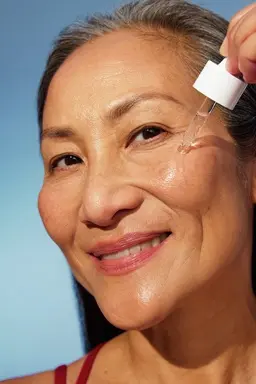
How to Tighten Loose Skin –
6 Ways to Help Prevent Loose & Saggy Skin
Why does
skin become loose?
Loose skin develops when skin loses its elasticity. Skin elasticity can be affected by aging, weight loss, pregnancy, or even certain lifestyle factors such as poor nutrition and sun exposure. When Collagen and Elastin, the proteins responsible for keeping skin firm, break down over time with age, or when other factors affect the elasticity of the skin, your skin can lose its firmness, which may lead to sagging on areas of your body.
Here are some factors that can contribute to loose and saggy skin:

- Weight loss:
Losing weight too quickly can leave behind loose skin, especially on your stomach. Your skin has stretched to accommodate extra volume, so when that volume reduces significantly and rapidly, the skin may not fully shrink back and can sag.
- Aging:
As your body ages, it produces less Collagen and Elastin, essential proteins that provide structure and elasticity to your skin. This natural decline can result in skin becoming loose and less firm, particularly in areas such as your arms, abdomen, and thighs.
- Pregnancy:
Your skin stretches significantly during pregnancy, and in some cases, it may not fully rebound after childbirth, leading to saggy stomach skin and pregnancy stretch marks.
- Lifestyle habits that can affect the skin:
Factors like dehydration, excessive sun exposure, smoking, and a lack of nutrients can negatively affect your skin’s elasticity, making it more prone to sagging.
Explore the NIVEA range of toners, formulated to balance and refresh your skin. Whether you're looking to tighten pores, hydrate or revitalise, NIVEA offers a variety of toners to complement your skincare routine, leaving your skin feeling fresh and rejuvenated.
How to tighten loose skin:
6 ways to help prevent loose and saggy skin
Here are six lifestyle choices that can help prevent unnecessary, premature skin sagging and promote a firmer appearance:
- Use sunscreen daily
Daily sunscreen use helps to prevent saggy skin by protecting it from UV damage, which can break down Collagen and Elastin. Regularly apply (and re-apply) sunscreen appropriate for your skin type with an SPF of at least 30, in conjunction with taking other sun protection measures such as wearing protective clothing, staying out of direct sun during peak hours of the day, and seeking shade when outdoors.
- Get enough sleep
Getting sufficient, high-quality sleep supports skin repair, promoting a firmer, more youthful appearance. Studies have shown that sleep restriction decreases skin elasticity, so be sure to incorporate proper sleep hygiene into your life to help support your skin.
- Build muscle
Strength training can help to make the skin appear tighter by improving and increasing muscle tone, causing skin to pull more tightly over toned muscles.
- Manage stress
Stress can negatively affect overall health, and that includes the skin and skin elasticity. Relaxation techniques like yoga or meditation may play a role in preventing stress-induced Collagen and Elastin degradation, helping skin to stay looking more firm and supple.
- Keep a stable weight
By keeping your body a consistent size, this helps prevent your skin from stretching and/or sagging to accommodate significant surface area changes in either direction.
- Maintain a healthy diet
Eating a regular diet of nutrient-rich foods can support skin elasticity and firmness. Certain foods help to support collagen production in the body, such as bone broth, fish, egg whites, citrus, berries, leafy greens, and beans, among others. By focusing on incorporating these foods into a nutrient-dense diet, and staying hydrated, you can help to keep skin looking smooth and healthy.

Diet tips to help
support firmer skin
Certain foods may help improve skin resistance and elasticity, but their effects are not always scientifically proven, and more studies are needed to confirm their impact on the skin. Here are 4 dietary tips to help support skin health that may also have a positive effect on your skin’s elasticity:

- Collagen boost
Foods like broth, fish, eggs, and leafy greens support Collagen production which can help improve skin firmness, and reduce sagging by enhancing skin structure. You can also try taking a collagen supplement to help improve skin firmness and elasticity over time.
- Hydration
Drinking enough water keeps your skin hydrated and helps prevent the feeling of dehydrated skin. Hydration promotes elasticity and plumpness, which can help reduce the appearance of saggy skin, and is also just all-around good for your body!
- Protein
Getting enough protein supports skin renewal and repair, and can help improve signs of aging in the skin.
- Healthy fats
Consuming fatty acids like Omega-3 help contribute to skin health in sources like avocados, nuts, and olive oil. These fats support your skin’s natural barrier, helping it to prevent moisture loss and keeping the appearance of firm and supple skin.
Helping saggy
skin on the face
The skin on your face is thin and delicate, making it vulnerable to factors like UV exposure, pollution, and the natural effects of aging. These factors can lead to a loss of firmness and elasticity over time, causing wrinkles, fine lines and sagging. Here are 4 ways that can help address loose or sagging skin on your face and neck:
- Facial Exercises
There is some evidence to support that regular facial exercises can help tone and firm the muscles beneath your skin, helping to reduce saggy skin around the chin and throat.
- Moisturize Your Face
Keeping your skin hydrated with a good moisturizer can help reduce skin wrinkles associated with dehydration, giving skin a firmer appearance.
- Firming Face Creams
A firming face cream can help to tighten loose skin by improving elasticity and providing hydration to reduce sagging and enhance firmness.
- Face Sunscreen
Daily use of sunscreen helps protect your skin from UV damage, preventing further breakdown of Collagen and Elastin that can lead to premature sagging and loose skin.

Help loose and saggy facial
skin with NIVEA’s Q10 Anti-Wrinkle Collagen Boost Range
To help maintain a healthy, youthful look and support long-term skin firmness, try NIVEA's Q10 Anti-Wrinkle Collagen Boost range with Q10, Ceramides, and Collagen-Peptide. These anti-wrinkle face care products are specially developed to help visibly reduce wrinkles and moisturize skin for firmer, healthier-looking skin.

- Anti-sagging:
This facial serum helps to firm skin for defined facial contours
- Wrinkle repair:
Helps repair deep wrinkles
- Deep moisture:
Helps restore skin’s moisture barrier, offering 24hr* deeply moisturized skin
Address loose and sagging
skin on the body with NIVEA skin-firming body products
Loose skin can happen anywhere on the body. Using a body lotion or cream specially formulated to address skin elasticity can help you achieve firmer, healthier-looking skin. NIVEA offers several skin-firming body care products to help you feel confident in your skin.