Collagen For Skin:
What is it, Types and Benefits
- What is Collagen and What Does it Do?
- Types of Collagen
- What types of Collagen are most important for skin?
- Where Is collagen found?
- Forms of Collagen for the skin
- 4 Collagen benefits for skin
- Collagen facts overview
- 5 Causes of collagen loss in skin
- Collagen against wrinkles
- Collagen-boosting body skincare
- Summary
- Collagen FAQs
What is Collagen
and What Does it Do?
Collagen is the most abundant protein in our bodies1 - think of it as a strong, supportive glue that holds everything together. You’ll find it in connective tissues such as skin, bones, tendons, ligaments, and cartilage, where it provides structure, firmness, and resilience2.
Collagen is built from Amino Acids that link into long, twisted strands. These so called ‘triple-helix’ strands give skin its supportive framework and help it stay smooth and elastic3.
As we get older, our bodies produce less Collagen, which is why skin can start to feel less firm over time3.
Types
of Collagen
There are 28 different types of Collagen in the body, each with unique roles in supporting skin, joints, and overall health2. Of these, five key types are the most abundant and well-studied, playing essential roles in skin structure, elasticity, and resilience:

- Type 1 Collagen
Making up 90% of the body’s total Collagen, Type I Collagen gives structure to skin, bones, tendons, and ligaments, helping skin stay firm and resilient.
- Type 2 Collagen
Found mainly in cartilage, which cushions your joints and helps them move smoothly.
- Type 3 Collagen
Works alongside Type I to support skin elasticity and is also found in blood vessels and organs.
- Type 4 Collagen
Found in the layers of skin, helping with filtration and forming the base for cells in the skin’s structure.
- Type 5 Collagen
Present in the cornea of your eyes, hair and even tissue of the placenta.
What types of
Collagen are most important for skin?
When it comes to skin, Types I and III are the most important, as they are directly involved in repairing skin, and helping it become more elastic4. Many skincare products and supplements focus on these types because they support the skin’s structure and may help to reduce the appearance of fine lines and wrinkles.
Where Is
collagen found?
- Natural production: Our bodies produce Collagen on their own, but levels naturally decline with age and existing collagen breaks down more quickly2.
- Animal-based foods: Bone broth, chicken, fish, and eggs are rich in Collagen and its Amino Acid building blocks5.
- Plant-based foods: Plant-based foods don’t contain Collagen directly but many contain Vitamin C and other nutrients that directly impact the body’s natural Collagen production6.
- Skincare products: Creams and serums can include ingredients that support collagen in the skin.
Forms of Collagen
for the skin
Collagen for the skin comes in different forms. Supplements usually contain Hydrolyzed Collagen (also called Collagen Peptides), small pieces of animal collagen that are absorbed through the intestines2.
The Collagen in skincare products cannot replenish Collagen in the skin, instead helping the skin to retain moisture7. Topical creams and serums may contain other ingredients such as Peptides, Vitamin C, Bakuchiol, or Retinol, which can impact Collagen production or support its structure.
4 Collagen
benefits for skin
- 1Supports Firmness and Elasticity:
Collagen provides structure to the skin, helping it stay firm, smooth, and resilient.
- 2Helps Visually Reduce Signs of Aging:
As natural Collagen production slows with age, supporting it can help reduce the appearance of fine lines and wrinkles associated with Collagen loss8.
- 3Boosts Hydration:
Collagen helps skin retain moisture, leaving it looking plump, feeling soft, and well-hydrated.
- 4Strengthens and Protects Skin:
Working alongside proteins like Elastin, Collagen helps maintain skin’s strength, flexibility, and overall health, while also supporting its repair process9.

Facts Overview
How to Increase Collagen: Collagen can be supported through skincare products, supplements, and a balanced diet rich in protein and Vitamin C.
Uses of Collagen: Collagen is used in the body to improve skin structure, maintain hydration, and support hair, nail, and joint health.
Collagen Special Features: Many NIVEA products include ingredients that support Collagen in the skin and help provide long-lasting hydration.
5 Causes of
collagen loss in skin

- 1Aging
Natural Collagen production starts to slow down in early adulthood, with a noticeable drop during the first 5 years of menopause1.
- 2Sun exposure
The sun’s harmful UV rays can break down Collagen in the 10, contributing to wrinkles and sagging. This is because prolonged sun exposure generates free radicals, which can damage the skin and compromise its ability to repair itself.
- 3Smoking
Smoking cigarettes has been linked to the degradation of collagen in the skin, leading to signs of skin aging and loss of skin elasticity10.
- 4Poor diet
Without sufficient nutrients, the building blocks for Collagen synthesis are limited, and the skin may lose its firmness and resilience more quickly. Diets high in sugar or processed foods can also promote glycation, a process that can damage Collagen10.
- 5Stress and sleep loss
Chronic stress and not enough sleep can interfere with skin repair and Collagen production and can weaken the skin’s moisture barrier11.Lack of restorative sleep reduces the skin’s natural repair processes.
Collagen
against wrinkles
As we get older, natural Collagen levels in the skin decline, which can make it less firm and contribute to the appearance of fine lines and wrinkles. Supporting Collagen through skincare and healthy diet choices can help maintain the skin’s structure, keeping it smoother, more supple, and more resilient.
While it will not completely prevent wrinkles from forming, using skincare products containing Collagen and ingredients that support Collagen may help skin look firmer and more youthful.
Facial skincare
routine with Collagen
A simple, consistent routine with the right products can help maintain skin firmness, smoothness, and hydration. Here is a simple routine to help boost the natural effect of Collagen.
NIVEA offers a range of gentle yet effective cleansers to suit all skin types, from nourishing gels to refreshing Micellar Waters. Each is designed to lift away impurities while caring for your skin’s natural barrier, so you can choose the texture and formula that feels best for you.

Collagen-boosting
body skincare
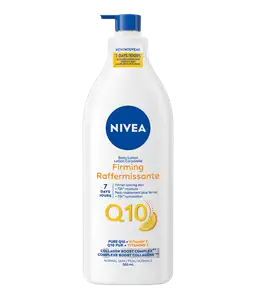
Collagen-supporting skincare isn’t just available for the face! NIVEA offers body care products with a Collagen boost complex to help support firmer and more elastic skin while providing long-lasting moisture.
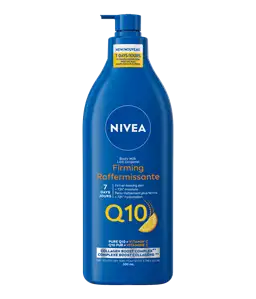
For normal skin, try NIVEA Q10 Firming Body Lotion with Collagen Boost Complex. This Q10 firming body lotion with Collagen Boost Complex*, containing pure Q10 + Vitamin C, provides firmer-looking skin and improves skin elasticity in just 7 days. This quick-absorbing body lotion deeply moisturizes for up to 72 hours with regular use.
*Collagen Boost Complexfor firmer-looking skin: Pure Q10: Helps improve skin elasticity. Vitamin C: Antioxidant to support skin's firmer appearance.
Summary
Collagen plays a key role in keeping skin firm, smooth, and resilient, both on the face and body. As natural Collagen production slows with age, supporting it with a consistent skincare routine and healthy lifestyle habits, can help maintain skin’s elasticity and youthful appearance. From serums to moisturizers, there are simple ways to help boost Collagen and keep skin looking and feeling its best every day.
Frequently Asked Questions
- Ravindran, V.; Pizzol, D.; López-Gil, J. F.; Rahmati, M.; Boyer, L.; Fond, G.; Butler, M.; Barnett, A.; Smith, L.; Gawronska, A.; Keyes, E. Collagen Supplementation for Skin and Musculoskeletal Health: An Umbrella Review of Meta-Analyses on Elasticity, Hydration, and Structural Outcomes. *Aesthet. Surg. J. Open Forum* **2026**, *8*, ojag018. https://doi.org/10.1093/asjof/ojag018.
- Cleveland Clinic. Collagen: What It Is, Types, Function & Benefits. Cleveland Clinic. Last updated May 23, 2022. https://my.clevelandclinic.org/health/articles/23089-collagen (accessed 2026-10-21).
- Kubala, J. Collagen: Benefits, Side Effects, and Caution. Healthline. https://www.healthline.com/nutrition/collagen (accessed 2026-10-21).
- Rai, V.; Agrawal, D. K. Regulation of Collagen I and Collagen III in Tissue Injury and Regeneration. Tissue Eng. Regen. Med. 2023, 17 (1), 5–16. https://pmc.ncbi.nlm.nih.gov/articles/PMC9912297/.
- Harvard T. H. Chan School of Public Health. Collagen. The Nutrition Source. https://nutritionsource.hsph.harvard.edu/collagen/ (accessed 2026-10-21)
- Healthline. 13 Foods That Boost Your Body’s Natural Collagen Production. Healthline. https://www.healthline.com/health/beauty-skin-care/collagen-food-boost (accessed 2026-10-21)
- .Jadach, B.; Mielcarek, Z.; Osmałek, T. Use of Collagen in Cosmetic Products. Curr. Issues Mol. Biol. 2024, 46 (3), 2043–2070. https://doi.org/10.3390/cimb46030132.
- Kubala, J. Collagen: Benefits, Side Effects, and Caution. Healthline. https://www.healthline.com/nutrition/collagen#benefits-of-supplements (accessed 2026-10-21).
- Kubala, J. Collagen: Benefits, Side Effects, and Caution. Healthline. https://www.healthline.com/nutrition/collagen (accessed 2026-10-21).
- Kubala, J. Collagen: Benefits, Side Effects, and Caution. Healthline. https://www.healthline.com/nutrition/collagen#collagen-loss (accessed 2026-10-21).
- Author Surname, Initials. Article Title. Journal Abbreviation Year, Volume (Issue), Page Range. https://doi.org/DOI.